
Birth Doula Danae answers all the questions that expecting parents would want to ask about Homebirth
Doula for Home Birth
Danae created “Midwife at Your Door” to help women, dads, partners, families, extended families, birth workers, hospital midwives, medical professionals and students understand all aspects of this ‘model of care’. Each interview details what the model of care entails, what makes it safe, and highlights the professionalism and empowering ethos of registered private midwifery. You will understand why this evidence based, gold standard of continuity model deserves a place alongside hospital-based care options for women and their family.
Homebirth is a medical model of care offered by a Private Midwife. Private meaning the medical care comes to you (Home) VS you going to it (Hospital).
Freebirth is when women choose to birth their baby with no medical care at any stage of the pregnancy or birth. Danae does not attend freebirths.
Homebirth Midwife Interviews
The care behind the Homebirth
Homebirth involves much more than a birth pool in your living room. Behind the care are clinical expertise, careful preparation and an ongoing relationship between a family and their midwife.
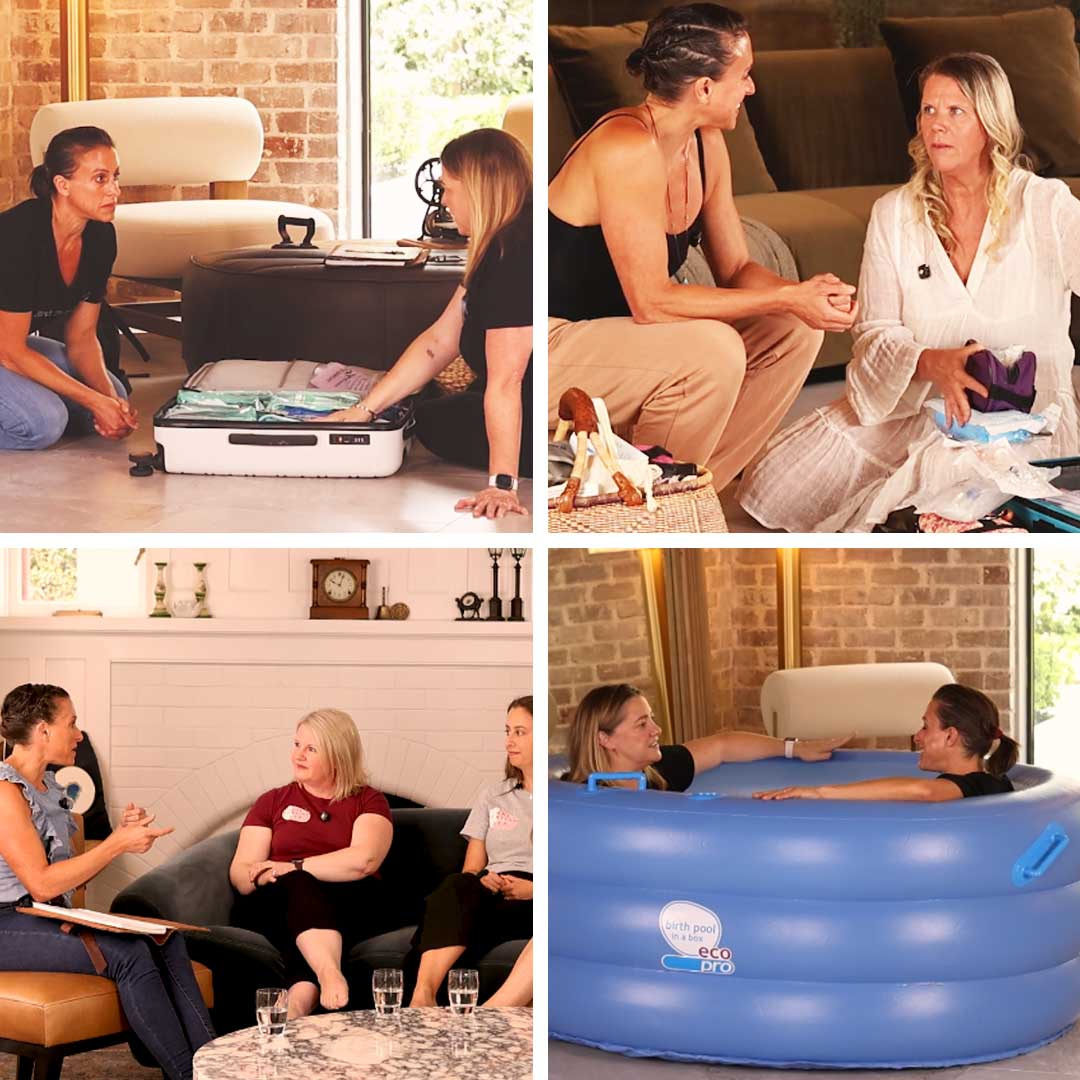
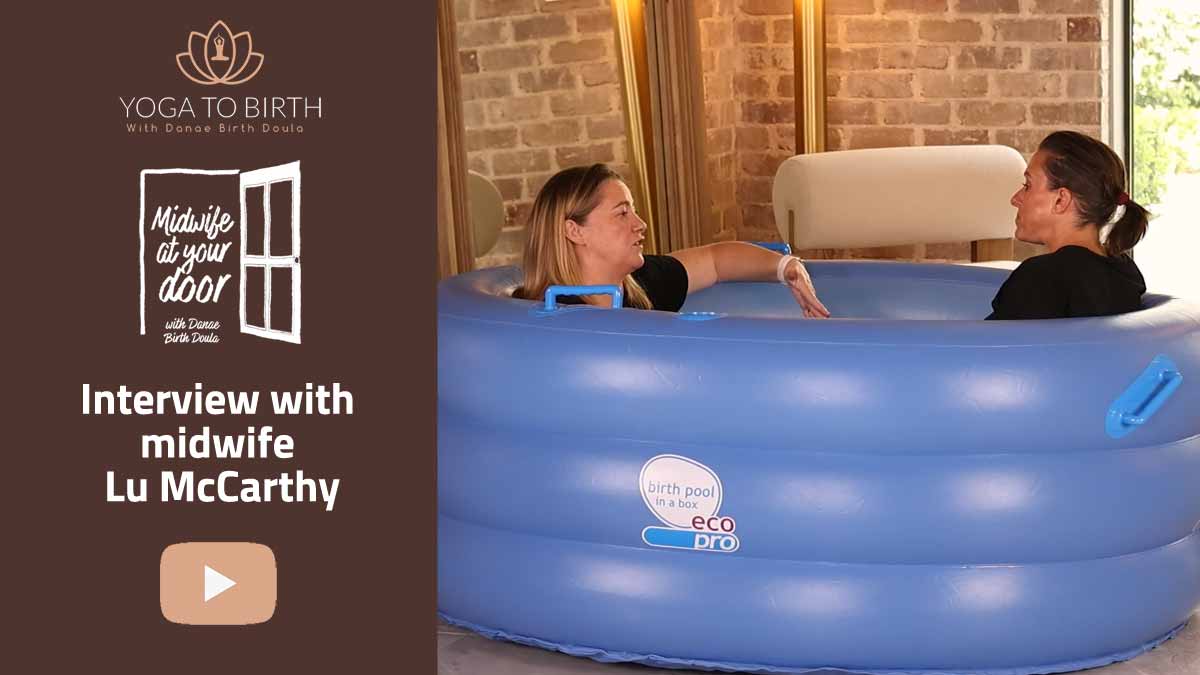
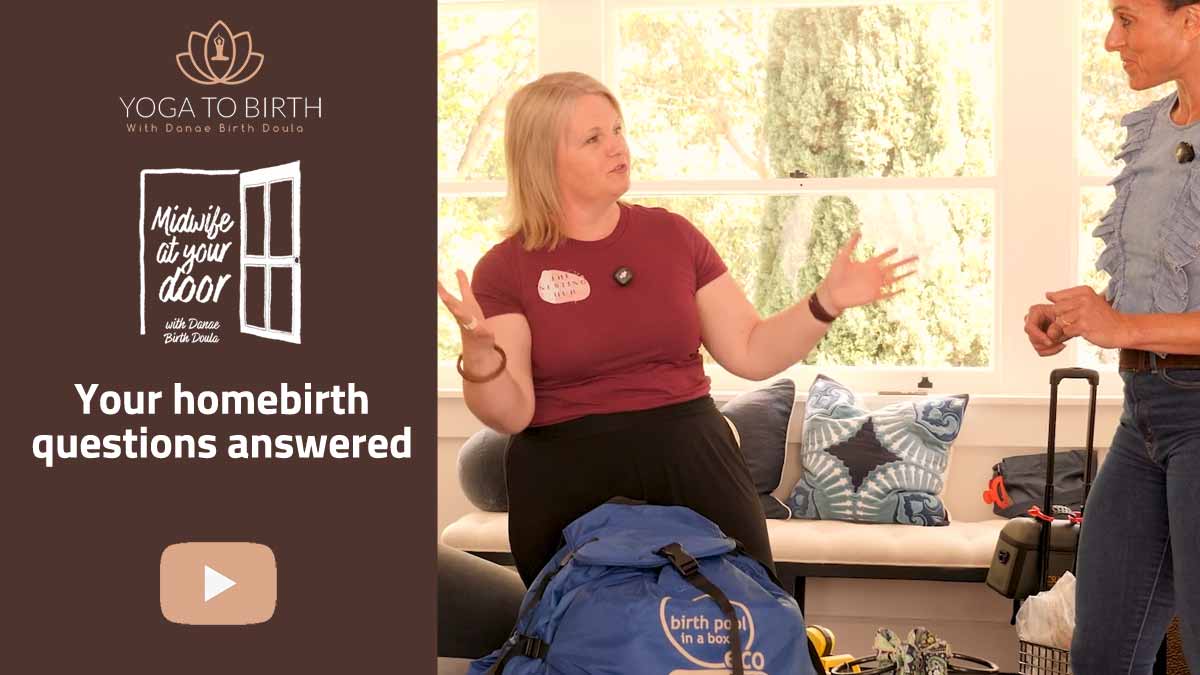
In this series, Danae speaks with Sydney-based private midwives from three practices about how they support families throughout pregnancy, labour, birth and the postnatal period.
The conversations explain how continuity gives women time to build trust, ask questions, discuss preferences and prepare with a midwife who understands their circumstances. They also cover clinical assessment, ongoing monitoring and planning for additional medical support or hospital transfer when needed.
For expecting parents, extended families, birth workers, health professionals and students, the interviews offer a practical understanding of private midwifery, bringing together personalised support, professional responsibility and care that continues beyond the birth.

Understanding Homebirth
Midwifery Care, Safety and the Evidence
Choosing homebirth involves much more than deciding where your baby will be born. It means choosing a model of care built around clinical expertise, an ongoing relationship with your midwife, and personalised support throughout pregnancy, labour, birth and the early weeks of parenthood.
Despite this, homebirth remains widely misunderstood. Private midwifery care brings together evidence-based practice and care centred on women and their families, with benefits that extend well beyond giving birth at home.
The birthplace is only one part of the care. The relationship, preparation and support reach far beyond it.
To help more people understand this approach, Danae created her “Midwives at Your Door” interview series. The conversations bring practising midwives’ knowledge and experience to women, partners, extended families, birth workers, hospital midwives, medical professionals and students.
What does the research tell us?
Studies from several high-income countries support planned homebirth as an option for appropriately selected women with low-risk pregnancies, particularly where registered midwives work within well-integrated maternity services. The research considers more than the birth setting. It examines outcomes for mothers and babies, the use of medical interventions, and women’s experiences of their care.
Safety for babies
A 2019 systematic review and meta-analysis published in EClinicalMedicine included approximately 500,000 intended homebirths. In settings where homebirth midwives were well integrated into healthcare services, it found no statistically significant difference in perinatal or neonatal mortality between planned homebirth and planned hospital birth among women with low-risk pregnancies.
Fewer obstetric interventions
A 2020 systematic review and meta-analysis found that women planning homebirth in well-integrated systems were less likely to have a caesarean section, forceps or vacuum birth, epidural, or oxytocin to strengthen labour. Lower rates of severe perineal tears and maternal infection were also reported.
Maternal outcomes
Research from British Columbia, Canada, associated planned homebirth with registered midwives with fewer third- or fourth-degree perineal tears and lower rates of postpartum haemorrhage than the hospital comparison groups.
Women’s experiences
Research comparing planned birth settings has reported higher satisfaction among women planning homebirth. Personalised support, involvement in decisions and a familiar environment can all contribute to how women experience their care.
Birth Doula Training Courses
Would you like to be a birth doula, enhance or extend your existing skills?
Danae’s birth doula training courses are designed for doulas, student doulas, midwives, student midwives and birth workers
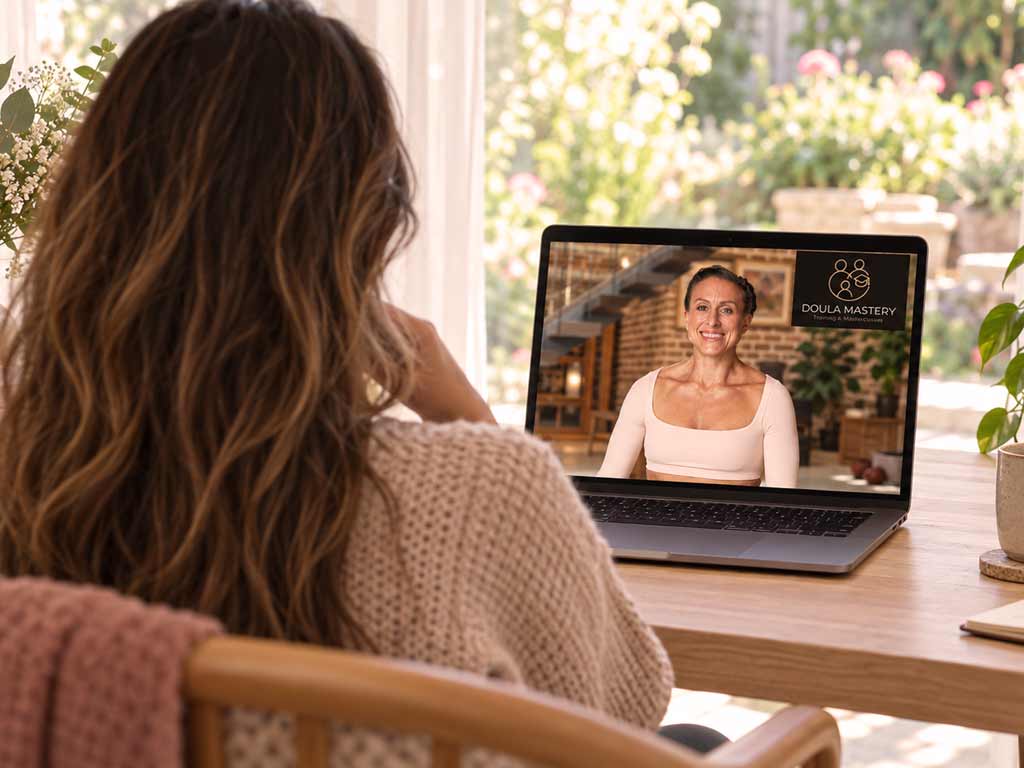
Develop your practical birth support skills and strengthen the way you work with families. Led by Danae alongside educator Lucretia McCarthy, Doula Mastery covers topics from joining women in labour to structuring your doula offering, with real case studies and opportunities to learn from other birth workers.
Attend a Sydney workshop, join live via Zoom or access a recording.
DOULA TRAINING
Birth Doula
Support and continuity of care
As your birth doula, Danae offers you specific expertise in Homebirth and well as security of continuity of care, which is mostly unavailable in our current system of hospital maternity care. Danae increases your partner’s participation and bonding, empowering you both with evidence-based research, skills and tools to apply during your labour journey. BIRTH DOULA SERVICES
Prenatal Yoga
Online pregnancy yoga classes.
Pregnancy yoga invites you to connect deeply with your baby, your changing body and constantly shifting energy levels. Danae’s doula experience creates an unmatched style of pregnancy yoga. She integrates breath work with purposeful movement to calm the nervous system, reduce stress, restore balance and improve alignment for optimal fetal positioning (Danae’s specialty). With regular practice, yoga can become a practical part of your weekly birth preparation. PRENATAL YOGA CLASSES
Private Birth Classes
Face-to-face and virtual prenatal classes.
Danae offers private birth classes for expectant parents who prefer one-on-one support, want to focus on their own questions or cannot attend a group workshop. Classes can be tailored to your circumstances and the topics you want to explore. You can debrief a previous birth, learn OMP, dive into Danae's Birth Training and Birth Rehearsal, create a birth plan and build a clearer understanding of your options. Come away from a private session with Danae feeling inspired and confident for birth. BIRTH CLASSES
OMP Birth Educator
Optimal Material Positioning
OMP enables you to work with your body to create more space in your pelvis facilitating labour progress. Danae has trained with leading OMP experts from Singapore and the United States and is the only educator in Sydney certified and teaching parents and birth workers the groundbreaking Optimal Maternal Positioning (OMP) method. OMP Services
Live Workshops
For expectant parents and birth workers.
Danae runs a range of live workshops for expectant parents and birth workers. Expectant parents can choose from OMP, Birth Training and Birth Rehearsal. Doula Mastery training and masterclasses are designed for doulas, midwives, students and other birth workers. NOTE: Workshops fill up quickly. Book here » LIVE WORKSHOPS